
Dock Boards / Dock Plates | Spokane, WA
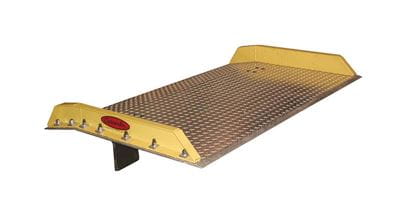
Spokane warehouses and distribution centers can improve loading dock safety, reduce forklift damage, and speed up trailer turnaround times with properly specified dock boards and dock plates from Raymond West, available by calling (800) 669-5438 to discuss your facility's specific load capacities and operational requirements.
Evaluating Dock Boards and Dock Plates for Spokane Loading Facilities
When you've decided to address the gap between dock and trailer in your Spokane operation, the first question isn't whether you need a bridge, it's which type fits your workflow, equipment, and load profile. Operations across Eastern Washington handle everything from regional distribution runs to cross-country freight, often with mixed carrier fleets that bring variable bed heights and deck configurations. Choosing between dock boards and dock plates requires matching equipment specifications to actual operating conditions, not assumptions.
Starting With Load Profile and Equipment Type
The dock board vs dock plate decision hinges on what crosses that gap and how often. If you're moving pallets with sit-down forklifts, you need the structural integrity and safety curbs of a welded steel dock board. These units handle repeated forklift traffic, support capacities from 10,000 pounds up past 20,000 pounds, and provide edge protection that prevents wheels from slipping during alignment or turning maneuvers.
Portable dock plate options serve lighter applications where hand pallet jacks and electric walkie equipment dominate. Aluminum construction keeps weight manageable for repositioning, typically under 80 pounds, while still supporting loads up to 5,000 pounds. For facilities running multiple dock doors with frequent trailer turnover and predominantly manual material handling, aluminum plates offer flexibility without the handling burden of heavier steel units.
Assessing Aluminum Dock Plates Benefits Against Steel Dock Boards Capacity
Start by auditing your actual load weights and equipment types. Aluminum vs steel dock plates isn't about which material is better in the abstract, it's about which one matches your operational reality. Aluminum resists corrosion in Spokane's wet winter months, requires minimal maintenance, and allows one person to reposition equipment as trailer assignments shift. That ease of handling matters when crew size fluctuates or during peak periods when speed drives decision-making.
Steel dock boards deliver the load-bearing performance forklift operations demand. The raised curbs aren't cosmetic; they prevent costly accidents when operators work at speed or navigate awkward loads. Steel construction absorbs the repetitive impact of mechanized traffic without flexing or developing stress fractures. If your operation runs lift trucks across the gap regularly, steel construction isn't optional.
What to Look for in Loading Dock Safety Equipment
Effective dock plate safety features reduce the gap between policy and practice. Evaluate whether your crew will actually deploy the equipment consistently. A dock board that requires two people and mechanical assistance to move may sit idle when urgency overrides protocol or staffing runs lean. Conversely, an aluminum unit light enough for one person to handle gets positioned correctly because compliance doesn't require extra resources.
Examine specific design elements during evaluation. Welded handles should allow secure grip without exposing fingers to pinch points. Non-slip surfaces need to maintain traction when wet, relevant for Spokane facilities dealing with rain and occasional snow tracked in from the yard. Beveled edges ease transitions for equipment wheels, reducing impact and operator fatigue. Yellow safety striping improves visibility in busy dock environments where multiple activities occur simultaneously.
Comparing Dock Leveling Solutions and Understanding Context
Dock boards and plates occupy a specific niche in warehouse loading dock equipment. They're more versatile than permanent levelers, far more robust than improvised solutions, and considerably less expensive than powered systems. When comparing mobile yard ramp alternatives or evaluating whether a fixed leveler makes sense, consider trailer variability in your operation. Spokane's position as a distribution point between Seattle and Intermountain markets means facilities often handle mixed carrier fleets with inconsistent equipment specs.
Ask about forklift dock plate requirements specific to your equipment. Wheel diameter, load distribution, and turning radius all influence what capacity rating you actually need versus what seems adequate on paper. Factor in dock board maintenance tips during evaluation, steel units require periodic weld inspection and surface wear assessment, while aluminum benefits from cleaning to preserve traction. Both need capacity verification as your equipment mix evolves.
Work With Loading Dock Equipment Suppliers Who Know Regional Operations
Raymond West serves Spokane and Eastern Washington with material handling solutions tailored to regional distribution patterns and operational demands. Whether you're comparing heavy duty dock boards for high-volume forklift operations or evaluating portable options for a multi-door facility with variable traffic, our team provides application guidance grounded in how equipment performs in real-world conditions. Contact us to discuss your specific loading challenges and identify solutions that match both your workflow and budget.
Raymond West's Spokane branch services Spokane, Airway Heights, Spokane Valley, Liberty Lake, Post Falls, Hayden, Rathdrum, Coeur d'Alene, Medical Lake, Cheney, Pullman, Moscow, Moses Lake, Yakima, Wenatchee, Lewiston, Clarkston, Kennewick, Pasco, Richland, Walla Walla and all surrounding areas.
Raymond West | Spokane Material Handling Equipment Supplier
11002 E Montgomery Dr #100
Spokane, WA 99206
(509) 728-6000
