
Dock Boards / Dock Plates | Las Vegas, NV
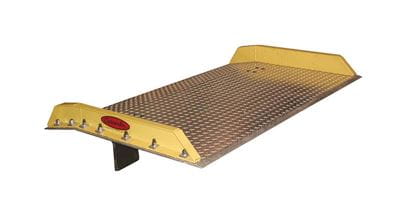
Dock boards and dock plates bridge the critical gap between warehouse floors and truck beds for Las Vegas businesses, reducing loading accidents and improving efficiency when sized and selected properly for your specific operations, so contact Raymond West at (800) 669-5438 to match the right solution to your facility's dock configuration and traffic patterns.
You've got trailers stacking up outside, drivers on tight schedules, and a dock crew losing time wrestling with height mismatches every time a truck backs in. It's a frustration that compounds quickly in Las Vegas distribution operations, where the Southwest corridor's 24/7 logistics tempo doesn't tolerate bottlenecks. That four-to-eight-inch gap between dock and trailer bed might seem minor until you calculate how many pallets don't move while your team improvises workarounds. Dock boards and dock plates eliminate that friction, but only if you match the equipment to your actual load profile and material handling method.
Dock Board vs Dock Plate: The Weight Capacity Line That Matters
These aren't interchangeable terms. Dock plates are lighter aluminum units built for hand pallet jacks and manual equipment, typically rated up to 5,000 pounds. They're portable, one-person deployable, and well-suited to operations where manual handling dominates. Dock boards are welded steel structures with side curbs, engineered for forklift traffic and loads starting around 10,000 pounds and extending past 20,000 pounds for heavy-duty applications.
If you're running sit-down forklifts across that gap, you need a dock board. The raised curbs prevent wheel slippage during turns or alignment adjustments. The structural steel handles repetitive impact without flexing. Using a dock plate in a forklift environment creates obvious safety exposure and accelerates equipment failure. Match the tool to the traffic.
Aluminum Dock Plates Benefits: When Portability Drives Compliance
Aluminum offers practical advantages that steel can't match in certain applications. A 70-pound aluminum dock plate can be repositioned by a single operator, which matters when you're managing trailer changes across multiple dock doors with lean crew coverage. Aluminum resists corrosion in outdoor or unconditioned environments common in Las Vegas's dry, high-UV climate. Maintenance requirements stay minimal.
For warehouses handling e-commerce returns, light manufacturing components, or parcels moved primarily by hand equipment, portable dock plate options deliver the right balance of cost and capability. They get deployed consistently because the physical effort required is low. Equipment that's easy to use correctly tends to get used correctly.
Steel Dock Boards Capacity: Built for Mechanized Operations
When your operation depends on forklift throughput, steel dock boards become non-negotiable loading dock safety equipment. The structural integrity handles thousands of crossings without fatigue. Welded curbs keep equipment centered even when operators work at speed or maneuver oversized pallets. Heavy duty dock boards rated for 15,000 pounds or more suit high-volume distribution centers feeding retail networks across the Southwest.
Steel's drawback is weight. A 200-pound dock board requires two people or mechanical assistance to reposition, which can slow dock door reconfigurations during shift changes or carrier mix fluctuations. If your facility runs dedicated doors with consistent trailer types, that trade-off favors durability. If you need frequent repositioning, consider whether your workflow truly requires steel or if aluminum suffices for most doors.
Dock Leveling Solutions Comparison: Matching Equipment to Real Conditions
Permanent hydraulic levelers, mobile yard ramp alternatives, and portable dock boards each solve the height gap differently. Dock boards and plates occupy the middle tier: more versatile than fixed installations, more robust than improvised ramps, and substantially more economical than powered systems. For Las Vegas operations serving the I-15 logistics corridor with variable trailer fleets and mixed freight profiles, that flexibility often proves more valuable than specialized capacity.
Evaluate forklift dock plate requirements against your actual equipment mix. If your fleet includes walkie stackers, rider pallet jacks, and occasional sit-down units, you may need different solutions at different doors rather than a single heavy-duty standard. Dock plate safety features like beveled edges, non-slip surfaces, and high-visibility striping reduce transition hesitation and improve operator confidence.
Dock Board Maintenance Tips and Long-Term Performance
Even simple equipment requires oversight. Inspect welds and mounting points on steel dock boards quarterly, especially if forklift traffic is frequent. Check aluminum plates for surface wear that compromises traction. Verify that dock board weight capacity ratings still match your evolving equipment as you add heavier forklifts or handle denser freight. Straightforward checks, but they prevent avoidable failures.
Work With Warehouse Loading Dock Equipment Suppliers Who Know the Market
Raymond West serves Las Vegas and surrounding Nevada operations with material handling solutions tailored to Southwest logistics demands. Whether you're comparing aluminum vs steel dock plates for a multi-door cross-dock or need heavy-duty dock boards for beverage distribution, our team provides application guidance based on real operational context. Reach out to discuss your loading challenges and explore equipment that fits your throughput requirements and budget constraints.
Raymond West's Las Vegas facility serves all of the Las Vegas Valley, including Las Vegas, North Las Vegas, Henderson, Summerlin, Paradise, Spring Valley, Sunrise Manor, Enterprise, Winchester, Whitney and all surrounding areas.
Raymond West | Las Vegas Material Handling Equipment Supplier
2555 E Washburn Rd
North Las Vegas, NV 89081
(702) 651-6480
