
Dock Boards / Dock Plates | Phoenix, AZ
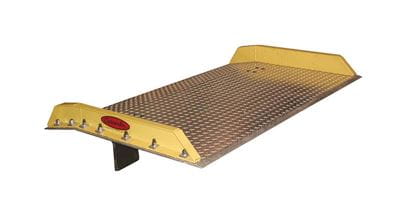
Dock boards and dock plates enable Phoenix warehouses and distribution centers to bridge the gap between truck beds and loading docks safely and efficiently, reducing loading times and worker injury risk, so contact Raymond West at (800) 669-5438 to find the right solution for your operation's specific height differentials and load requirements.
Dock Boards and Dock Plates: Essential Equipment for Phoenix Loading Operations
Over the past five years, Phoenix warehouse operations have faced mounting pressure from multiple directions. E-commerce fulfillment demands faster dock turnover. Labor market tightness means leaner crews handling the same volume. Supply chain expectations now measure performance in hours, not days. In this environment, every operational friction point matters more than it used to. The gap between dock and trailer bed is one of those points. For facilities across the Valley supporting distribution corridors linking California ports to Southwest markets, that four- to six-inch variance can stall throughput, damage product, and create injury risk when crews are stretched thin.
Dock boards and dock plates address the problem directly, yet many operations treat them as interchangeable commodities. They're not. Choosing the wrong equipment for your application carries real costs in both safety and efficiency.
Dock Board vs Dock Plate: The Distinction That Defines Application
Terminology matters here because the difference is functional, not semantic. Dock plates are lighter aluminum units built for hand pallet jacks and modest weight requirements. They're portable, easy to reposition across multiple dock doors, and well-suited for manual material handling. Dock boards feature welded steel construction with raised curbs on both sides, engineered to handle forklift traffic and heavier loads. If you're moving palletized freight with sit-down forklifts, you need a dock board. A dock plate won't handle the load or the lateral forces.
Steel dock boards capacity typically starts around 10,000 pounds and extends beyond 20,000 pounds for heavy-duty applications. Aluminum dock plates benefits include portability and corrosion resistance, but weight ratings usually top out around 5,000 pounds. Mismatching equipment to load profile accelerates wear and creates obvious hazards.
Material Selection: Weighing Aluminum vs Steel Dock Plates
Phoenix's dry climate reduces some maintenance concerns, but material choice still drives performance. Aluminum options offer significant advantages when flexibility is the priority. One person can reposition them without equipment, they resist the limited corrosion exposure that does occur, and portable dock plate options make sense for facilities with variable dock activity across multiple doors. For operations handling frequent trailer changes with predominantly hand-truck traffic, aluminum delivers practicality at a reasonable cost.
Steel dock boards provide the structural integrity forklift operations demand. Those raised curbs prevent wheels from rolling off the edge during alignment or turning maneuvers, critical when operators work at the pace modern fulfillment requires. Steel construction handles the repetitive impact of forklift traffic without flexing or fatiguing over time. They're heavier and less portable, but for mechanized loading operations, they're the standard for good reason.
Loading Dock Safety Equipment Designed for Real-World Use
The best dock leveling solutions comparison starts with a simple question: will your crew actually use it consistently? A 200-pound steel unit that requires two people and a forklift to move may sit idle when you're short-staffed or behind schedule. Aluminum options weighing 60 to 80 pounds get deployed correctly because the physical barrier to compliance is lower. In a tight labor market, that matters more than it did five years ago.
Look for dock plate safety features that support proper use rather than complicating it. Welded handles positioned away from pinch points, non-slip surfaces that maintain traction even when dust accumulates, and beveled edges that ease equipment transitions all influence whether the equipment becomes part of the workflow or a step crews skip under pressure. Yellow safety striping improves visibility in high-tempo environments where attention is divided.
Matching Forklift Dock Plate Requirements to Operational Profiles
Not every loading scenario justifies a permanent dock leveler. Mobile yard ramp alternatives solve similar problems at different price points and operational footprints. Dock boards and plates occupy practical middle ground: more versatile than fixed levelers, far more robust than improvised solutions, and considerably more economical than powered equipment.
Evaluation should include dock board maintenance tips relevant to your use pattern. Steel units need periodic inspection for weld integrity and surface wear. Aluminum plates benefit from occasional cleaning to preserve traction. Both require verification that weight capacity ratings still match your equipment mix as it evolves. Maintenance is straightforward, but it can't be optional.
Partnering With Warehouse Loading Dock Equipment Specialists
Raymond West serves Phoenix and surrounding Arizona operations with material handling solutions matched to regional demands. Whether you need guidance comparing heavy duty dock boards for high-volume forklift operations or help selecting portable options for a multi-door facility with variable activity, our team brings application knowledge grounded in real operational context. Contact us to discuss your loading dock challenges and explore equipment that fits both your workflow and your budget.
Raymond West's Phoenix facility serves the entire Phoenix Metro area, including Phoenix, Tempe, Mesa, Gilbert, Chandler, Scottsdale, Glendale, Goodyear, Tolleson, Peoria and all surrounding areas.
Raymond West | Phoenix Material Handling Equipment Supplier
2659 E Magnolia St
Phoenix, AZ 85034
(602) 275-2228
