
Warehouse Safety Equipment | Reno, NV

Warehouse safety equipment in Reno, NV reduces workplace injuries and OSHA violations while protecting your workforce and bottom line, so call Raymond West at (800) 669-5438 to discuss solutions tailored to your operation's specific hazards.
Essential Warehouse Safety Equipment: Protecting Workers and Operations in Seattle, WA
Seattle's warehouse sector operates in a high-stakes environment shaped by Pacific Northwest port traffic, e-commerce distribution demands, and an industrial corridor that stretches from South Seattle to Kent and Auburn. Facilities here handle everything from containerized imports arriving at the Port of Seattle to rapid-turnaround fulfillment orders destined for urban delivery zones. In this context, where throughput pressures meet dense urban logistics networks, safety lapses don't just trigger compliance issues, they interrupt time-sensitive operations and erode workforce stability in a competitive regional labor market.
Warehouse safety equipment functions as operational infrastructure, not just compliance gear. When workers have the proper safety equipment for their environment, accident rates drop, productivity holds steady, and staff can focus on their tasks rather than navigating avoidable hazards. For Seattle warehouse managers, that means fewer disruptions during peak import cycles and better workforce retention when skilled labor is hard to replace.
Core PPE: What Warehouse Workers Need
Personal protective equipment starts with hard hats. Falling objects from overhead pallet rack levels or accidental contact with rack beams are real risks in facilities stacking inventory high to maximize vertical space. Hard hats and helmets reduce the risk of serious head injuries without adding weight or limiting visibility during daily tasks.
Eye protection is essential. Safety glasses shield against flying debris from packaging operations or dust from dry goods. Face shields provide broader coverage when warehouse staff handle chemicals or work near splash zones. Both are non-negotiable in environments where eyes and face are exposed to potentially hazardous conditions.
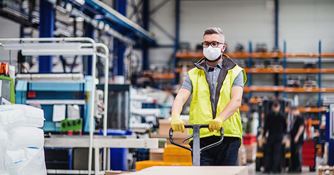
High-visibility vests keep workers visible to forklift operators, especially in poorly lit areas of your warehouse or during early morning shifts common in port-adjacent facilities. Visibility isn't optional when heavy machinery and pedestrian traffic share the same workspace.
Footwear matters. Steel-toed boots protect against pallet drops and crush injuries. Slip-resistant soles help prevent falls on wet surfaces, a frequent issue in Seattle warehouses dealing with condensation from temperature swings or outdoor loading docks exposed to Pacific Northwest weather.
Hearing Protection and Hazardous Material Safety
Hearing protection often gets overlooked until damage accumulates. Warehouses with sustained forklift activity, conveyor systems, or dock operations generate noise levels that cause hearing loss over time. Earplugs and earmuffs are inexpensive safeguards that protect long-term health without interfering with communication when properly fitted.
Facilities handling hazardous materials need chemical-resistant gloves, eyewash stations, and respiratory protection. Warehouses dealing with industrial chemicals, cleaning agents, or fumes require proper ventilation and spill containment kits to manage risks associated with accidental exposure. These aren't extras, they're essential components of a compliant, functional work environment.
Facility-Level Safety: Barriers, Signage, and Fire Safety Equipment
Warehouse PPE protects individuals. Facility-level systems protect the operation. Safety barriers and guardrails separate pedestrian walkways from active forklift aisles, reducing the risk of injury from contact with moving machinery. Bollards shield pallet rack uprights and building columns from impact damage that could compromise structural integrity or create new hazards.
Reflective floor marking defines aisle boundaries, staging zones, and flue space around racking systems. Clear signage designates hazard areas, emergency exits, and equipment operation zones. Both support OSHA-compliant layouts and help warehouse staff navigate the facility safely during peak activity.
First aid stations should be well-stocked and accessible. Fire safety equipment, including extinguishers and suppression systems, must be positioned strategically and inspected regularly. In Seattle's urban warehouse districts, where facilities often operate in older industrial buildings, these systems are an essential part of maintaining safety standards and managing workplace hazards.
Matching Safety Gear to Real Operational Risks
Every warehouse faces different risks. A facility focused on heavy machinery and pallet movement prioritizes impact protection and visibility gear. Operations handling containerized imports may need additional traffic control measures to manage congestion near loading docks. High-volume e-commerce fulfillment centers benefit from pedestrian barriers, proximity alarms, and mirrors at blind corners where forklift operators and warehouse workers cross paths frequently.
Seasonal shifts matter, too. Import surges tied to Pacific Rim shipping schedules can strain capacity and increase the risk of accidents when throughput spikes. Temperature swings between Seattle's damp winters and dry summers affect both equipment performance and worker endurance. Addressing these variables proactively with proper equipment and adaptive measures helps reduce the risk of injury and keeps operations moving.
The key is site-specific assessment. Workers need proper PPE matched to the tasks they perform and the hazards they encounter, not generic kits that under-protect or overburden. Conducting a thorough hazard evaluation ensures you equip your team correctly, stay OSHA-compliant, and avoid gaps that lead to preventable incidents.
Why Local Partnership Matters in Seattle
Sourcing essential warehouse safety equipment isn't about catalog orders. It's about understanding how your facility operates, what risks you face, and how to safeguard both people and productivity without disrupting workflow. Raymond West serves warehouse operations throughout Seattle and the broader Puget Sound region, offering site assessments, product guidance, and ongoing support tailored to the demands of Pacific Northwest logistics.
Protecting your operation starts with the right safety gear and systems. Contact Raymond West in Seattle to discuss your facility's needs and explore solutions that help prevent accidents, ensure compliance, and keep your team focused on the work that matters.
```Raymond's Seattle service operation includes most of Western Washington, including Seattle, Bellevue, Kirkland, Redmond, Bothell, Woodinville, Lynnwood, Everett, Tukwila, Renton, SeaTac, Burien, Kent, Federal Way, Fife, Sumner, Auburn, Tacoma, Lakewood, Puyallup, Olympia, Lacey and surrounding areas.
Raymond West | Seattle Material Handling Equipment Supplier
6607 S 287th St
Auburn, WA 98001
(253) 333-2100
You May Also Like:
Covid 19 Safety Products | Reno / Sparks
Raymond West is a Washoe County material handling equipment company, offering a full range of warehouse safety products for Covid 19.
Learn More

Fall Protection | Reno
Prevent warehouse accidents with state-of-the art fall protection solutions from Raymond West.
Learn More
