
Dock Boards / Dock Plates | Seattle, WA
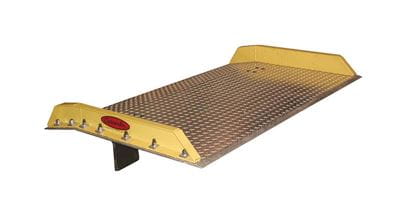
Dock boards and dock plates streamline loading operations for Seattle warehouses by bridging the gap between truck beds and facility floors with reliable, safe solutions that reduce handling time and injury risk, so contact Raymond West at (800) 669-5438 to find the right equipment for your operation.
Dock Boards and Dock Plates: Bridging the Gap in Seattle Loading Operations
Seattle's position as the Pacific Northwest's dominant container gateway means warehouses here handle an exceptional volume of intermodal freight, often from carriers with inconsistent trailer heights and deck configurations. That variability creates a persistent challenge: the gap between dock and truck bed. A facility near the Duwamish industrial corridor processing import containers one hour and domestic LTL shipments the next can't afford equipment mismatches that stall throughput or risk product damage. Dock boards and dock plates address this gap directly, but the equipment choice has to match the application.
Understanding Dock Board vs Dock Plate: More Than Semantics
These terms aren't interchangeable, and the distinction matters for operational safety. Dock plates are lighter aluminum units designed for hand pallet jacks and lighter loads. They're portable, easy to reposition, and well-suited to operations with modest weight requirements and manual material handling. Dock boards feature welded steel construction with raised curbs on both sides, built to handle forklift traffic and heavier loads. If you're moving palletized freight with sit-down forklifts, you need a dock board, not a dock plate.
Weight capacity drives this decision. Aluminum dock plates typically handle loads up to 5,000 pounds, suitable for manual pallet jacks and light electric equipment. Steel dock boards start around 10,000 pounds and extend well beyond 20,000 pounds for heavy-duty applications. Mismatching equipment to load creates obvious safety risks and accelerates wear.
Aluminum vs Steel: Balancing Portability and Performance
For Seattle operations prioritizing flexibility, aluminum dock plates offer clear advantages. They're light enough for one person to reposition, resist corrosion in the region's damp climate, and require minimal maintenance. Facilities handling frequent trailer changes across multiple dock doors with predominantly hand-truck traffic will find portable dock plate options both economical and practical.
Steel dock boards deliver the structural integrity needed for forklift operations. The raised curbs prevent wheels from slipping off the edge during alignment or turning maneuvers, which becomes critical when operators work at speed or handle awkward loads. Steel construction also handles the repetitive impact of forklift traffic without flexing or fatiguing. While heavier and less portable, steel dock boards are the standard for mechanized loading operations.
Loading Dock Safety Equipment Built for Real-World Compliance
The best dock leveling solution is the one your crew consistently deploys. That means considering actual handling conditions. A 200-pound steel dock board requiring two people and a forklift to move may sit unused when crew size fluctuates or when urgency overrides protocol. Aluminum options weighing 60 to 80 pounds get positioned correctly because the physical barrier to compliance is lower.
Look for dock plate safety features that reinforce proper use: welded handles that don't encourage fingers near pinch points, non-slip surfaces that maintain traction when wet, and beveled edges that ease equipment transitions. Yellow safety striping improves visibility in busy environments. For Seattle warehouses juggling tight turn times on import container freight, these practical details determine whether the equipment becomes integral to workflow or a procedural afterthought.
Comparing Dock Leveling Solutions and Mobile Yard Ramp Alternatives
Not every loading scenario requires a permanent dock leveler. Mobile yard ramp alternatives address similar challenges but at different price points and with different operational profiles. Dock boards and plates occupy the middle ground: more versatile than fixed levelers, more robust than improvised solutions, and considerably more economical than powered equipment.
When evaluating forklift dock plate requirements, consider dock board maintenance needs. Steel units need periodic inspection for weld integrity and surface wear. Aluminum plates benefit from occasional cleaning to maintain traction surfaces. Both require verification that weight capacity ratings remain appropriate as your equipment mix evolves. Straightforward maintenance, but it needs to happen.
Work With Warehouse Loading Dock Equipment Suppliers Who Understand Pacific Northwest Operations
Raymond West serves Seattle and surrounding Washington operations with material handling solutions matched to regional operational demands. Whether you need guidance comparing heavy duty dock boards for high-volume forklift traffic or help selecting portable aluminum options for a multi-door facility, our team brings practical application knowledge, not just product specifications. Reach out to discuss your loading dock challenges and explore equipment that fits both your workflow and your budget.
Raymond's Seattle service operation includes most of Western Washington, including Seattle, Bellevue, Kirkland, Redmond, Bothell, Woodinville, Lynnwood, Everett, Tukwila, Renton, SeaTac, Burien, Kent, Federal Way, Fife, Sumner, Auburn, Tacoma, Lakewood, Puyallup, Olympia, Lacey and surrounding areas.
Raymond West | Seattle Material Handling Equipment Supplier
6607 S 287th St
Auburn, WA 98001
(253) 333-2100
