
Dock Boards / Dock Plates | Tucson, AZ
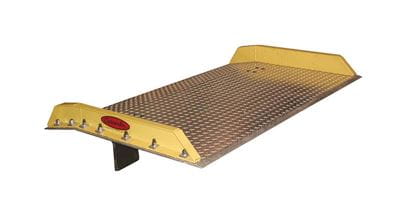
Tucson warehouses and distribution centers can improve loading dock safety and efficiency with the right dock boards and dock plates, specialized equipment that bridges the gap between trailers and dock surfaces to enable smooth forklift transitions while reducing workplace injuries, and Raymond West at (800) 669-5438 provides expert guidance on selecting solutions matched to your operation's weight capacity, dock height, and daily throughput requirements.
Dock Boards and Dock Plates: Adapting to Tucson's Evolving Distribution Landscape
The last five years have reshaped how Tucson warehouses approach loading dock operations. E-commerce fulfillment pressures, tighter carrier windows, and a lean regional labor market mean every minute at the dock counts. Yet many facilities still wrestle with the same fundamental challenge: that six-inch height gap or four-inch offset between dock and trailer bed. What's changed isn't the gap itself but the cost of managing it inefficiently. As order volumes spike and labor availability tightens across Southern Arizona, the right dock board or dock plate has shifted from a convenience to a competitive necessity.
Dock Board vs Dock Plate: Knowing the Difference Protects Your Operation
These terms get used interchangeably, but the distinction directly impacts safety and throughput. Dock plates are lighter aluminum units built for hand pallet jacks and modest loads. They're easy to move, quick to position, and well-suited for operations relying on manual material handling. Dock boards are welded steel structures with raised curbs on both sides, engineered for forklift traffic and heavier pallet loads. If your Tucson facility runs sit-down forklifts across the dock, you need a dock board, not a plate.
Capacity defines this choice. Aluminum dock plates typically support up to 5,000 pounds, enough for manual jacks and light electric equipment. Steel dock boards start around 10,000 pounds and scale past 20,000 for demanding applications. Mismatching equipment to your actual load profile creates real safety exposure and accelerates wear.
Aluminum Dock Plates Benefits in High-Turnover Environments
Portable dock plate options offer tangible advantages when your operation juggles multiple carriers and frequent door changes. Aluminum units are light enough for a single operator to reposition, they resist corrosion in Tucson's arid climate, and they require minimal upkeep. For facilities managing steady hand-truck traffic across several dock doors, the portability and lower cost make aluminum a practical fit.
That said, aluminum isn't appropriate for forklift operations. The lack of side curbs and lower weight capacity create hazards when wheeled equipment transitions at speed or under load. If your workflow includes mechanized handling, portability takes a back seat to structural integrity.
Steel Dock Boards Capacity for Mechanized Loading
Heavy duty dock boards are the standard where forklifts dominate. The raised curbs prevent wheel runoff during alignment or turning maneuvers, a critical feature when operators work under time pressure or with oversized loads. Steel construction handles the repetitive impact of forklift traffic without flexing or metal fatigue. While these units are heavier and less mobile, they're built for the reality of high-volume mechanized operations.
When evaluating forklift dock plate requirements, match the board's rating to your heaviest combined load: forklift weight plus maximum pallet weight. Building in a safety margin accounts for dynamic forces during acceleration and braking. This isn't where you round down.
Loading Dock Safety Equipment Designed for Compliance
The most effective dock leveling solutions comparison starts with a simple question: will your crew actually use it? A 200-pound steel dock board that requires two people and mechanical assistance may get skipped when you're short-staffed or running behind schedule. Aluminum options weighing 60 to 80 pounds lower the barrier to consistent deployment.
Look for dock plate safety features that support proper use: welded handles positioned away from pinch points, textured surfaces that maintain traction, and beveled edges that ease transitions. High-visibility striping helps in dim lighting or during Tucson's intense afternoon glare. These details determine whether the equipment becomes routine or gets bypassed under pressure.
Alternatives and Dock Board Maintenance Tips
Not every dock situation demands a permanent leveler. Mobile yard ramp alternatives address similar gaps but with different cost structures and operational trade-offs. Dock boards and plates occupy the practical middle: more adaptable than fixed systems, more durable than improvised solutions, and considerably less expensive than powered equipment.
Maintenance stays straightforward if you're consistent. Steel units need periodic checks for weld integrity and surface wear. Aluminum plates benefit from occasional cleaning to preserve traction. Both require confirmation that rated capacity still matches your current equipment mix. Simple upkeep, but it can't be deferred.
Partner With Loading Dock Equipment Suppliers Who Know Southern Arizona
Raymond West serves Tucson and surrounding Arizona operations with warehouse loading dock equipment matched to regional demands. Whether you're comparing aluminum vs steel dock plates for a mixed-use facility or need guidance on heavy-duty options for high-volume forklift traffic, our team offers application expertise, not just spec sheets. Contact us to discuss your dock challenges and find equipment that fits both your workflow and your budget.
Raymond West's Tucson facility serves Pima County, including Tucson, South Tucson, Marana, Oro Valley, Sahuarita and surrounding areas
Raymond West | Tucson Material Handling Equipment Supplier
3951 E Michigan St #175
Tucson, AZ 85714
(520) 729-4222
