
Dock Boards / Dock Plates | Yuma, AZ
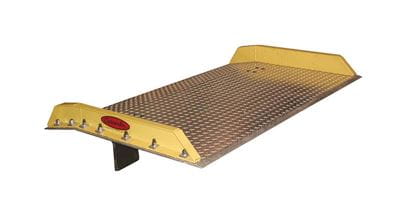
Dock boards and dock plates enable Yuma, AZ warehouses and distribution centers to bridge the gap between truck beds and loading docks safely and efficiently, reducing loading times and workplace injuries, and Raymond West's material handling specialists can help you select the right equipment for your operation at (800) 669-5438.
Dock Boards and Dock Plates in Yuma: What Implementation Actually Looks Like
If you've decided your Yuma operation needs dock boards or plates, you're past the awareness stage. Now comes the practical side: what actually works when temperatures push 110°F for weeks at a time, how to avoid buying equipment that sits unused, and what to expect when your crew starts using it daily. After watching dozens of deployments across Arizona's agricultural and cross-border logistics corridor, the gap between specification sheets and real-world adoption is where most problems emerge.
Start With Honest Load Assessment, Not Catalog Browsing
The first mistake is ordering before you've mapped actual traffic. Spend a week tracking what crosses your docks: pallet jack weights, forklift classes, peak load cycles, and how often drivers arrive with bed height mismatches. If 80% of your movements are hand trucks but you occasionally see a sit-down lift, you'll face a choice: separate equipment for different scenarios or one heavier solution that covers everything but adds handling friction.
Steel dock boards handle forklift traffic and loads exceeding 10,000 pounds, with raised curbs that prevent wheel-off incidents during turns. Aluminum dock plates work well for pallet jacks and lighter electric equipment, typically up to 5,000 pounds, and one person can reposition them without assistance. The dock board vs dock plate decision hinges on whether forklifts regularly cross that bridge. If they do, aluminum won't hold up regardless of convenience.
Deployment Realities in Yuma's Climate and Trade Flow
Yuma sits at the intersection of agricultural distribution and cross-border freight moving through the San Luis port. That means seasonal volume spikes, mixed carrier fleets with inconsistent equipment, and outdoor docks exposed to extreme heat. Aluminum dock plates benefits include corrosion resistance and lighter handling, but metal expansion in direct sun can affect fit tolerances. Steel dock boards capacity ratings stay consistent, but the units get hot enough to warp cheaper paint finishes and require gloves for repositioning midday.
During lettuce season, when throughput doubles and dock doors run 18-hour shifts, equipment that requires two people to move creates bottlenecks. Portable dock plate options work when one person can deploy them as trucks arrive. If your operation runs lean crews or faces unpredictable arrival windows, handling weight matters as much as load rating.
Common Mistakes That Undermine Adoption
Buying one unit to share across four docks sounds economical until it stays parked at the busiest door and other crews improvise. Undersizing capacity to save weight leads to flexing, which operators notice immediately and trust erodes fast. Skipping dock plate safety features like beveled edges or textured surfaces because they add cost creates hesitation during use. When adoption requires extra effort or feels risky, compliance drops.
Heavy duty dock boards make sense for high-cycle forklift operations, but a 250-pound steel unit needs a staging plan. Where does it live between uses? Who's responsible for positioning it, and do they have the equipment to do it safely? These aren't questions for after purchase.
Comparing Loading Dock Safety Equipment and Mobile Alternatives
Dock leveling solutions comparison should include what you're replacing. If crews currently use wooden planks or leave gaps unaddressed, even a basic aluminum plate improves safety measurably. If you're evaluating mobile yard ramp alternatives, understand that dock boards and plates cost far less but serve a narrower range of height differentials. Ramps handle greater variances and ground-level loading; plates bridge typical dock gaps of four to eight inches.
Forklift dock plate requirements include confirming your equipment's axle weight and accounting for dynamic loading during transitions. Operators accelerate and brake on these plates. Peak stress exceeds static load calculations, so factor in a margin.
Dock Board Maintenance Tips That Actually Prevent Problems
Inspect welds and hinge points monthly on steel units. Look for surface wear where wheels track repeatedly, and verify that curbs remain square. Aluminum plates need less attention but check for cracks near handles and ensure traction surfaces haven't worn smooth. Both types benefit from annual capacity verification, especially if your forklift fleet has changed.
Work With Warehouse Loading Dock Equipment Specialists Who Know the Region
Raymond West supports Yuma operations with material handling solutions tailored to the realities of desert distribution and cross-border logistics. Whether you need help sizing aluminum vs steel dock plates for a mixed-use facility or guidance on heavy-duty options for mechanized operations, we focus on what works in your environment. Let's discuss your specific loading scenarios and find equipment your crew will actually use. Reach out to start the conversation.
Raymond West's Yuma facility serves Yuma, La Paz and Imperial Counties, including Calexico, Brawley, El Centro, San Luis, Yuma and surrounding areas.
Raymond West | Yuma Material Handling Equipment Supplier
4450 E 40th St
Yuma, AZ 85365
(800) 229-9977
